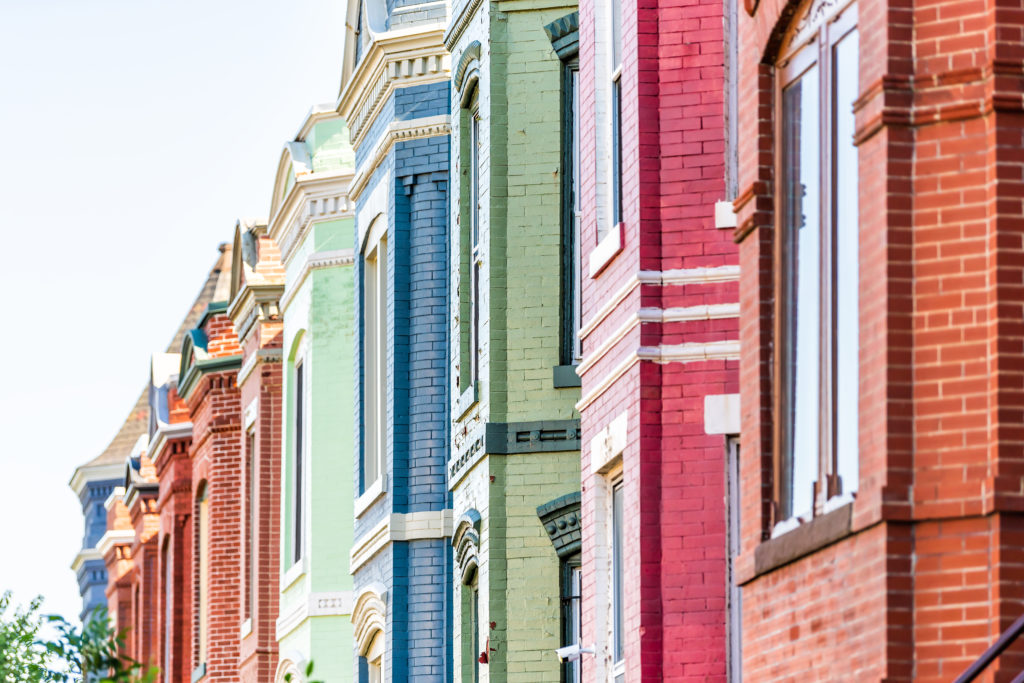
Voter opposition to dense housing development contributes to America’s housing shortage. Prevailing explanations emphasize homeowner self-interest and “NIMBYism.” We argue that sociotropic aesthetic judgments powerfully shape housing policy preferences. First, as motivation, we show that homeowners in already-dense areas largely support dense development in their neighborhoods, contrary to prevailing theoretical predictions, and that their distinctive aesthetic tastes likely contribute. Second, our evidence suggests that many voters oppose development due to sociotropic aesthetic concerns: for example, most voters think dense development doesn’t aesthetically “fit” in less-dense neighborhoods, even other than their own; likewise, people in dense neighborhoods are more supportive of dense development on their own block than in low-density neighborhoods. Finally, descriptively and with experiments, we show that aesthetic concerns are widespread, not pretextual, and causally affect support for development. Our findings offer a new lens for understanding housing policy preferences and suggest novel solutions for addressing America’s housing shortage.
March 24, 2026
How sociotropic aesthetic judgments drive opposition to dense housing development