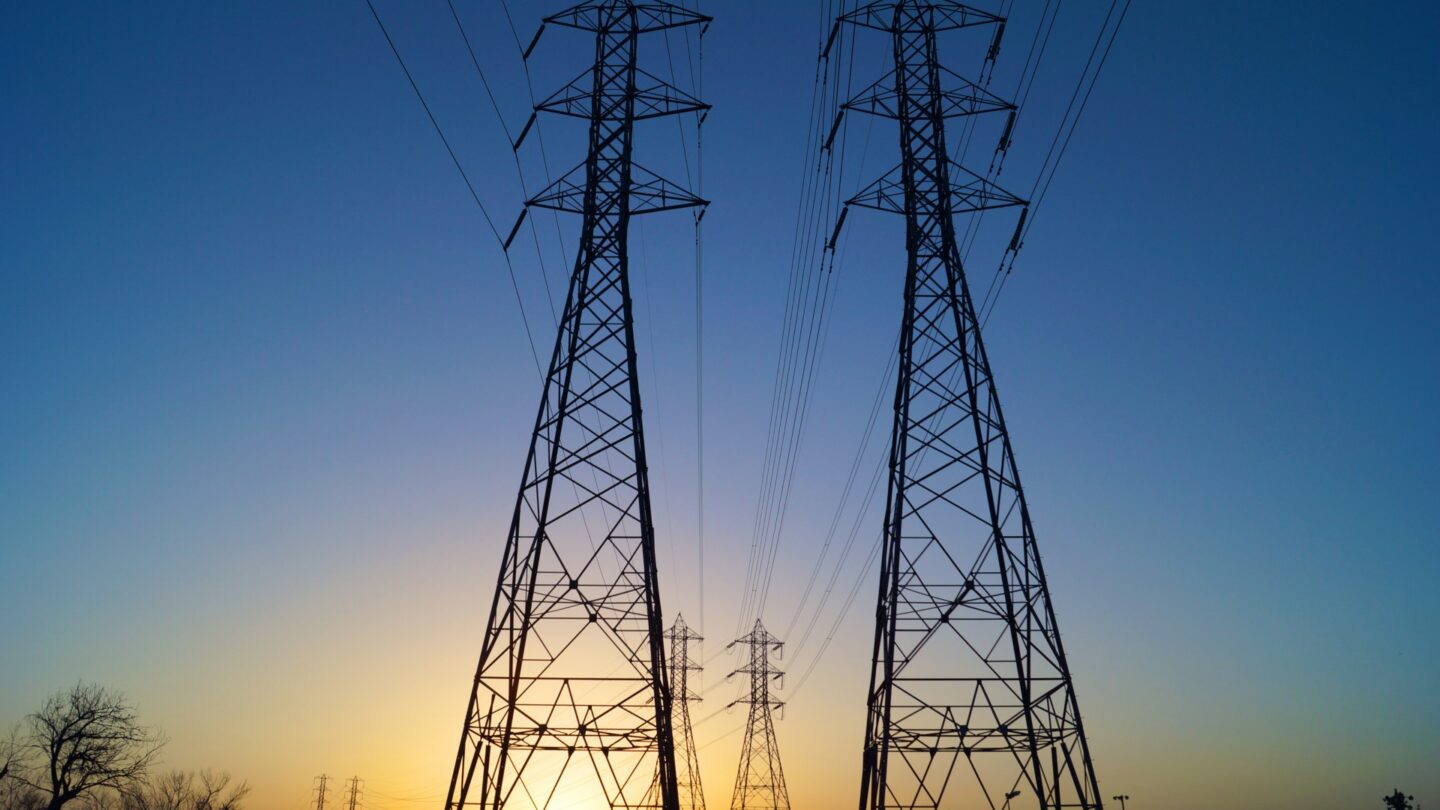
“Speed to power” has moved to the center of electricity-sector debates as U.S. power demand has begun to grow again. If it’s speed to power the grid needs, the near-term answer starts with a simple premise: unlock the scores of viable projects delayed by inefficient approval processes.
Energy supply and affordability depend on long-term investment and deployment, but there are steps policymakers can take today to boost supply by 2030. The fastest way to meet demand is to advance mature projects already in the pipeline. Other tools can help, but they should be treated as complements — not substitutes — for adding supply. This article highlights pragmatic steps policymakers can take right now to flex up energy supplies for the next five years.
The fastest supply is the supply already waiting to connect
Our biggest asset is the enormous number of power projects that the private sector is poised to bring online if given the chance. These are proposed power plant additions, sponsored by experienced companies, that use tried-and-true technologies: renewables, battery storage, and natural gas-fired facilities that we are adept at constructing at scale. They are not the only resources the country will need, but they are the resources capable of adding large volumes of power on the compressed timeline policymakers now face.
But slow review processes are limiting how much of this power can actually be deployed year by year. Policymakers can take several straightforward actions to reduce project development timelines and increase completion rates within three to five years. The common thread is simple: move viable projects through the queue faster, clear avoidable permitting obstacles, and make better use of the grid we already have.
Applied to projects in the pipeline, these actions could boost new supply by tens of gigawatts per year through 2030, and will continue to help future projects as well.
- Modernize interconnection processes: Grid operators study the electrical impact of adding new power plants to the grid before allowing them to connect. While this is necessary to protect grid stability, the process has become massively clogged, hampering additions of new supply. Congress should initiate modernization of these processes by directing the Federal Energy Regulatory Commission (FERC) to accelerate interconnection reform. This is a well-known area with plenty of near-term opportunities for improvement, including consolidating grid study processes, rewarding project readiness, and leveraging software to expand process automation. Congress should also appropriate funding for grid operators to implement such reforms and for DOE to provide technical assistance to them.
- Streamline siting reviews: Congress should streamline federal environmental reviews while state legislatures and governors update the state and local authorizations that determine whether power plants get built or not. Congress can also support states that welcome and enable timely energy project development by providing technical assistance and facilitating peer exchange among state and local governments on better authorization processes.
- Increase grid ‘headroom’: Congress should improve incentives for expanding a grid’s spare capacity — its “headroom” — through reconductoring, or retrofitting existing powerlines with advanced conductors. It involves minimal construction, little permitting oversight, and can make room for more power plant additions. Congress can also direct the Department of Energy to support state permitting and planning efforts toward reconductoring projects, including providing technical support to identify where reconductoring could provide the best payback.
The U.S. is already adding valuable technologies to the grid. These reforms would let us add much more of them, much faster.
Use secondary solutions as complements, not substitutes
Two concepts have garnered considerable attention of late, specifically because their speed-to-power strategy is to simply bypass the grid’s slow processes and limited available capacity, rather than working to fix those problems. The first, load flexibility, shifts the timing of electricity consumption away from moments of grid stress, allowing new customers to use existing power capacity without spurring new infrastructure development. The second, colocation, connects a new large-load customer alongside a power plant that then directly serves that customer, keeping some demand and supply off the broader network.
Load flexibility and colocation of supply with load can both help meet this decade’s power needs, but they are not yet well established in the marketplace, and implementation remains a live challenge. We still do not know whether large customers, grid operators, and other vital stakeholders can align enough to make these options viable at scale.
FERC and state regulators can clarify rules that would enable these options, and currently active dockets provide opportunities to do so.
If implemented well, these could be tremendously helpful in particular areas of the country — for example, the mid-Atlantic grid PJM has strong demand but a challenging environment for building new supply. But because these options don’t meaningfully grow the supply-side network themselves, they are most effective in specific contexts and when layered onto an expanding energy system. That combined approach would ensure power supplies can support economic growth across all sectors.
What comes after 2030?
A near-term agenda is not a substitute for a long-term one. There is only so much we can do to drive toward Destination: Grid Dominance in the next three to five years. That’s because the full range of supply-boosting options includes technology and infrastructure that we can’t realistically deploy at scale before the 2030s, such as major growth in interregional transmission lines, or large volumes of clean firm power plants. Even into the 2030s, those solutions cannot be taken for granted. Without a serious course correction in how we permit essential infrastructure, for example, they will remain just as constrained in the 2030s as they are today.
For the rest of this decade, the path to grid dominance runs through a familiar but underappreciated route: expanding the supply-side network of power plants that use mature technologies built by experienced practitioners. While policymakers work on reforms to unlock long-term solutions such as new transmission lines, they can score easy wins by enacting the straightforward measures that would turbo-charge projects languishing in the pipeline. Those measures would continue paying dividends in the 2030s, in addition to boosting new supply this decade. That’s an agenda for more power, much faster.