Publications and Analysis
Foundational Reading
To learn more about what we do and our most recent accomplishments, please see our 2024 annual report. To dive deeper into our distinctive vision, policy ideas, and approach to advocacy, explore the writings below or visit our “Key Initiatives.”
Theory
Institutional renewal. Effective government. Prosperity.
At a time when some of our most fundamental institutions are under attack, we believe that the most effective defense lies in recognizing their real and serious flaws while offering specific, constructive reforms.
The Center Can Hold: Public Policy for an Age of Extremes
Public confidence in government will return only when it merits confidence by successfully solving real problems.

Faster Growth, Fairer Growth: Policies for a High Road, High Performance Economy
It’s time to undo the damage caused by regulatory capture and counter the forces pushing against inclusive prosperity.

State Capacity: What is it, How we lost it, and How to Get it Back
The fortunes of liberal democracy rise and fall with its perceived effectiveness in improving lives.

Competitive Egalitarianism: How to Structure Markets
Competitive egalitarianism is the key to using a dynamic market to generate more equally shared economic growth.

Culture Eats Policy
The government has a culture problem, making it difficult to implement well-intentioned policies.

The Future Is Faction
Those who want a more productive political system must build moderate factions within the two major parties.

Moderation as a Political Strategy: A Niskanen Center Series
The essays in this series explore a type of moderation that can be dynamic, innovative, politically compelling, and even radical.

The Procedure Fetish
We should measure the administrative state’s legitimacy by how well it works, not by the stringency of the constraints under which it labors.

A State Capacity Agenda for 2025
While the picture we paint of our government’s capacity today is not always pretty, we believe that achieving a more responsive, effective, and confidence-inspiring government is a matter of will.
Policy

Transmission Stalled: Siting Challenges for Interregional Transmission
Transmission lines are in the public interest, but they face the most regulatory difficulty due to states’ highly variable interpretation of public necessity.
Legal and Administrative Pitfalls that May Confront Climate Regulation
A carbon tax would be less vulnerable to administrative delays and legal challenges than comparable emission-control regulations.

Carbon Pricing and Regulations Compared: An Economic Explainer
This primer provides a detailed comparison of carbon pricing and regulations and discusses the potential impact of the interaction of the two types of policies.

Border Adjustments in a Carbon Tax
This paper reviews the principal design choices policymakers would face when establishing a border adjustment for a carbon tax and the implications of different design choices.
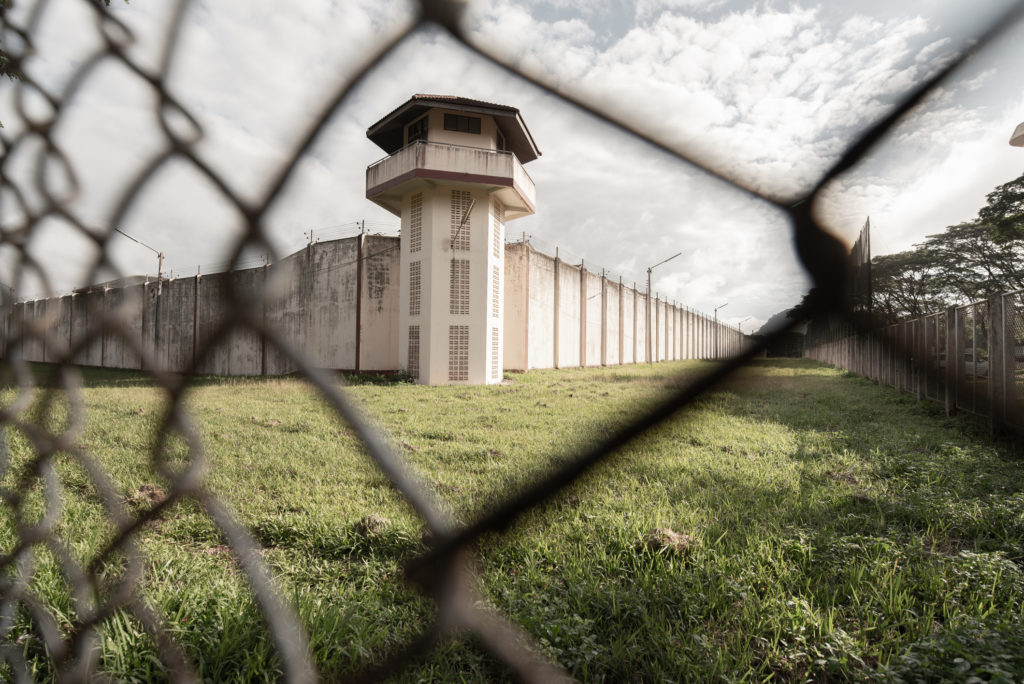
To End Mass Incarceration, Focus On Crime Reduction
Lawmakers should commit to policies that promote prevention, deterrence, and certain accountability. The result will be less crime, less punishment, and more justice.

Reconstructing Justice: Race, Generational Divides, and the Fight Over "Defund the Police"
Most Americans, especially Blacks, see room for community groups and non-law enforcement professionals, such as social workers and doctors, in a broader public safety strategy. The evidence recommends the same.

The Need for Increased Funding for HOPE/SCF
Programs using Safe, Certain, Fair models have improved compliance, helping participants stay out of prison, qualify for parole, and fight substance abuse.
The Fight Over "Defund the Police"
What do people really mean when they say they want to “defund the police,” and who wants to do it? In a new paper, “Reconstructing Justice: Race, Generational Divides, and the Fight Over ‘Defund the Police'” this week’s guest, Michael Fortner, shows, among other things, that differences in opinion over police reform reflect age differences […]

State Violence, Legitimacy, and the Path to True Public Safety
Bad policing damages the fabric of communities, hurts families, and alienates people from what should be their democracy.
Safer, Smarter, and Cheaper: The Promise of Targeted Home Confinement with Electronic Monitoring
Research evidence from both the U.S. and abroad suggests home confinement is an effective and appropriate alternative to imprisonment for lower-risk offenders.

Immigration Beyond the Extremes: A Blueprint that Actually Works
By aligning enforcement, admissions, government effectiveness, and core values, we can remake immigration into a strategic tool that advances U.S. interests.

The Strategic Case for Refugee Resettlement
Most refugees have successfully adapted to life in America, contributed positively to the economy, and eventually acquired citizenship.

The Case for Updating Schedule A
Updating Schedule A is an important step the executive branch can take to support the continued recovery of the American economy.

Report: The Conservative Case for a Child Allowance
Enacting a child allowance would create the conditions necessary to consolidate a variety of less effective policies and programs.

Op-Ed: Reclaiming the GOP's legacy on the child tax credit
This article was originally published in the Washington Examiner on June 2, 2023.

An Agenda for Abundant Housing
The United States is experiencing its second crisis of housing scarcity. Unlike the first, this one is purely political.

Healthcare abundance: An agenda to strengthen healthcare supply
There’s a fundamental imbalance between the ever-rising demand for patient care and our ability to supply it. And it’s at the heart of our nation’s healthcare crisis.

Do We Really Want Expanded Work Requirements in Non-cash Welfare Programs?
If the objective is true self-sufficiency, work requirements are unlikely to be effective. If the objective is to cut in-kind welfare rolls, they hold out greater prospects for success.
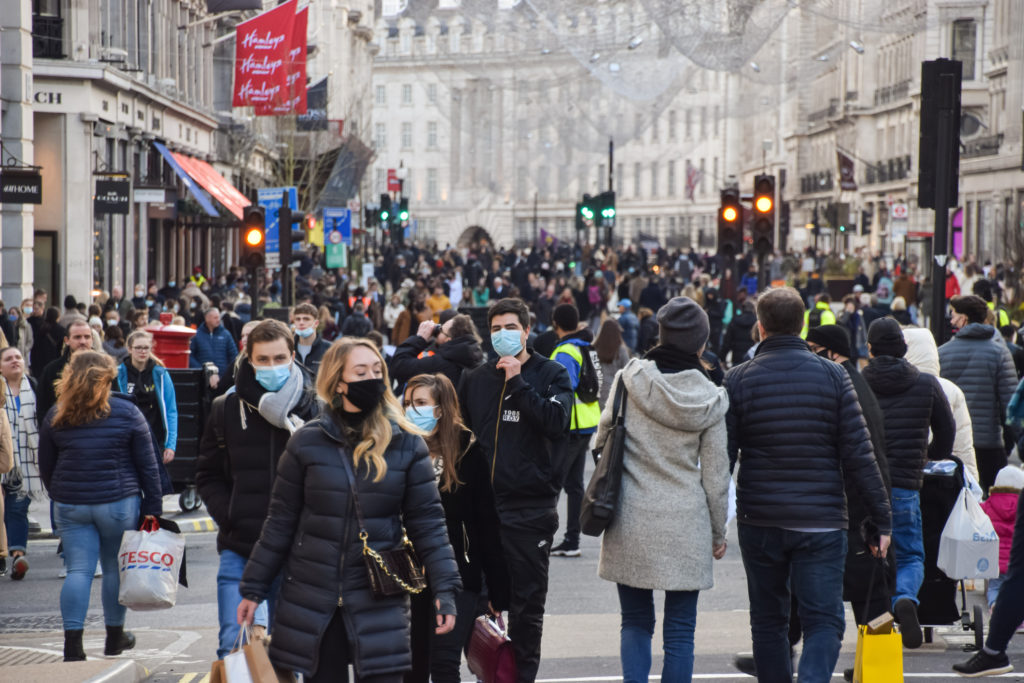
A Social Safety Net for an Age of Uncertainty
We need a social safety net capable of dealing with unknown-unknowns — things that we do not anticipate and or understand.