This article originally appeared in Deseret News on September 30, 2025.
Utah is on the verge of becoming the West’s energy powerhouse. As the home of one of the largest solar-and-battery projects in the nation, with plans to host a first-of-its-kind nuclear facility, the state is proving that it can build. Gov. Spencer Cox’s “Operation Gigawatt” initiative aims to double Utah’s energy production. But that’s only half the battle; successfully delivering that power across Utah and other Western states is the other half.
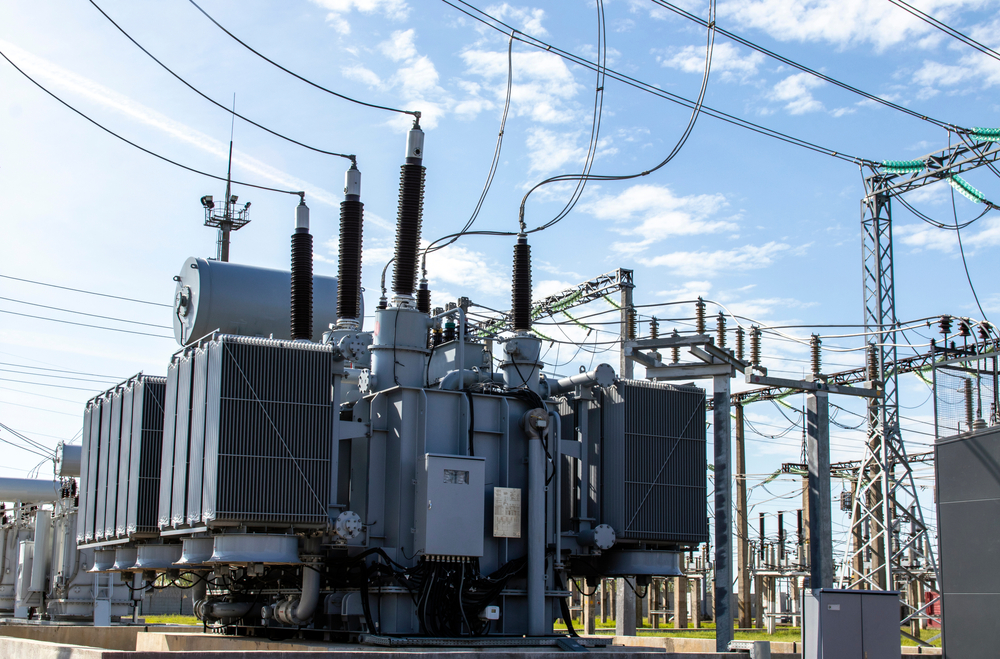
Across the country, the grid is riddled with bottlenecks that block power from flowing where it’s needed most. In the West, vast distances between rural energy resources and booming cities compound the problem. And looming demand, from AI data centers to reshoring factories, asks more of our transmission system.
But there’s a solution, and it starts with states working together.
Two decades ago, a bipartisan group of governors led a coalition of eleven Midwestern utilities to coordinate the buildout of the Midcontinent Independent System Operator (MISO) transmission system — a regional transmission network that aimed to cut costs, boost reliability, ensure resource adequacy and fuel economic growth. MISO, the regional grid operator, provided a centralized platform to plan, advocate for and execute this buildout.
That same playbook can work in the West, and Gov. Cox is already laying the groundwork as chair of the Western Governors’ Association (WGA).