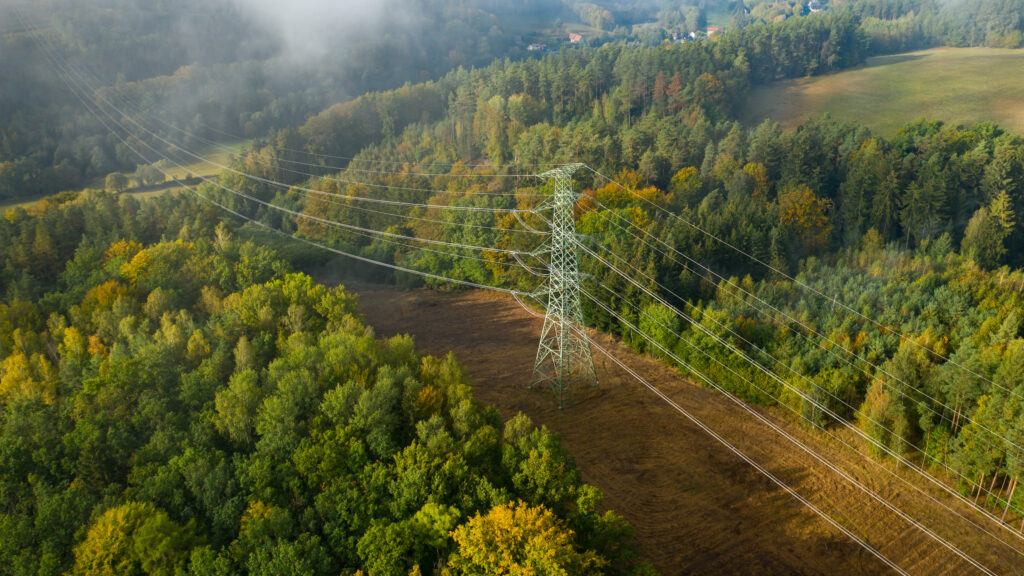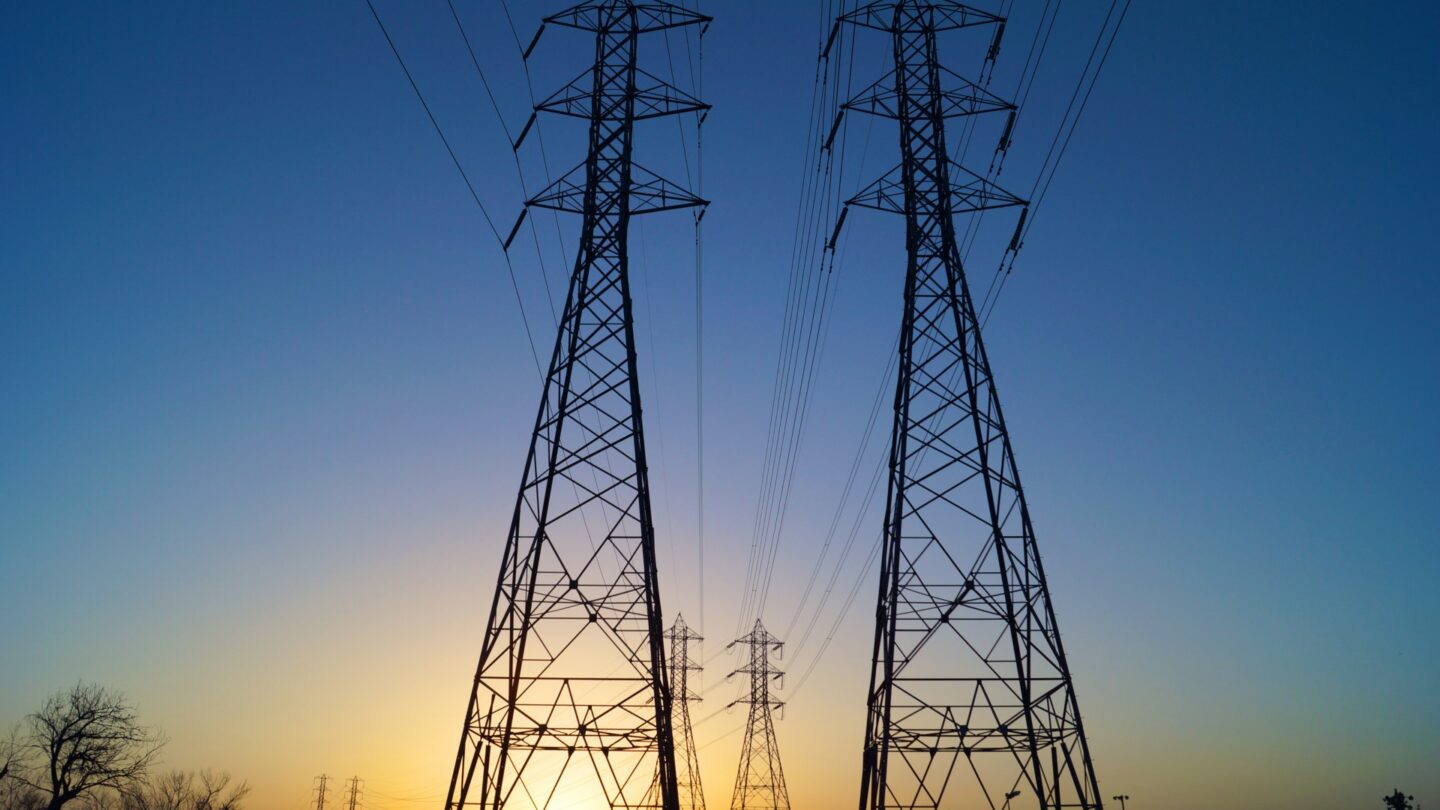
The U.S. electric grid is fragmented, with limited to no power exchange between regions and interconnections. This fragmentation increases costs to consumers and risks blackouts from power shortages during winter storms and heatwaves. One solution is the development of a “macrogrid”— a network of high-voltage transmission lines that can span the country and move power between regions, with relatively little loss of power over long distances.
Building a macrogrid may seem daunting because of the sheer scale of such an effort, but it does not have to be built all at once. With modern technology, high-voltage direct current (HVDC) lines can be built one at a time and linked later to form a macrogrid.
Where we are now
Most existing HVDC lines in the U.S. are what are called “point-to-point” lines, which create a direct connection between two endpoints. These lines are often built to be used one way, linking a power plant with a power user. The Southern Transmission System, for instance, directly connects a Utah power plant to customers in Los Angeles and the surrounding area. But point-to-point lines can also be used bi-directionally to transfer power back and forth between two regions.
More complex multi-stop lines also connect two endpoints but include one or more “stops” along the way that allow power to be delivered to multiple locations. For example, the Grain Belt Express is a multi-stop HVDC line that will deliver power to customers in both Missouri and Indiana. Multi-stop lines tend to use modern converter technology that can stabilize the grid and provide controllability to operators. However multi-stop lines are generally more expensive to build and have more stringent capacity limitations than point-to-point lines.
Where we want to go
The most advanced HVDC projects are networks of lines, which allow power to flow to different points depending on system needs. A macrogrid is a networked HVDC system that would span the contiguous U.S. HVDC networks offer the greatest potential for widespread grid benefits, particularly in terms of flexibility. By creating multiple paths for electricity to flow, they can reliably deliver power across a wide area and provide the power-flow management and stability to prevent blackouts and price spikes. But these systems are also the most complex and expensive to implement, requiring significant coordination among grid operators and substantial investment.
Bringing it all together
An HVDC network offers the significant benefits, but building such a system all at once would be expensive, complex, and require significant coordination across the many stakeholders and jurisdictions. A practical path is a piecewise HVDC network buildout, starting with stand-alone projects that meet immediate needs and can later be connected into a network.
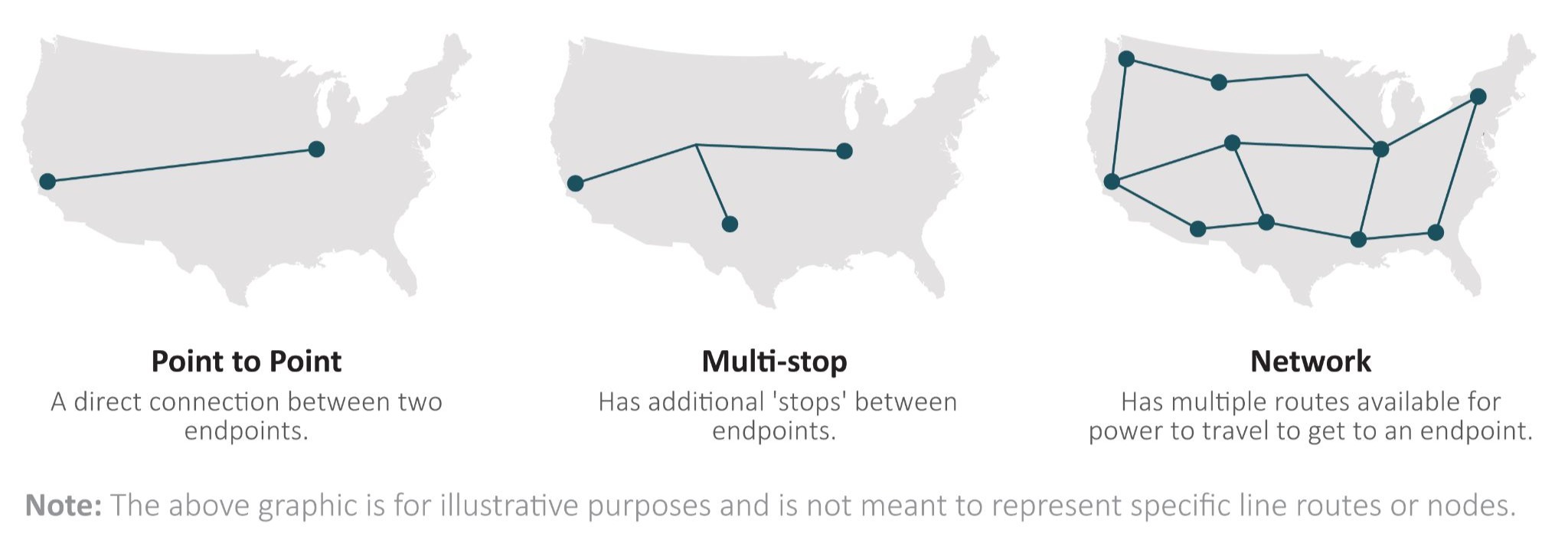
China is well on its way to building a macrogrid spanning its territory, by connecting the stand-alone HVDC lines it has built over the past 20 years. In the U.S., a piecewise approach is also emerging through merchant transmission developers, who build transmission lines based on the ability to move low-cost power to areas in need of extra supply. An added benefit of this approach is that these developers often obtain financing through contracts with utilities or industries who buy power from the line, meaning that private entities hold the risk for cost overruns, not ratepayers or taxpayers.
A HVDC macrogrid for the U.S. can happen one line at a time, whether point-to-point or multi-stop, but it cannot happen if more HVDC lines can’t get built. Transmission planning and siting processes favor building more of the same, and that must change to get more HVDC online. Enabling more merchant lines to be built, by both revisiting outdated market rules and achieving comprehensive siting and permitting reform, can help ensure that today’s projects become the foundation of a more connected, networked grid over time.