This article was originally published in The Hill.
President Reagan once said that the nine most terrifying words in the English language are: “I’m from the government, and I’m here to help.” He might have chosen: “We need to do something right now.” When a crisis occurs, or a high-profile story captures the public’s attention, voters demand action. Politicians tend to comply because the reward for acting quickly exceeds the payoff for getting the policy right. Today, we are watching this story repeat itself in the rapidly escalating debate over police surveillance technology.
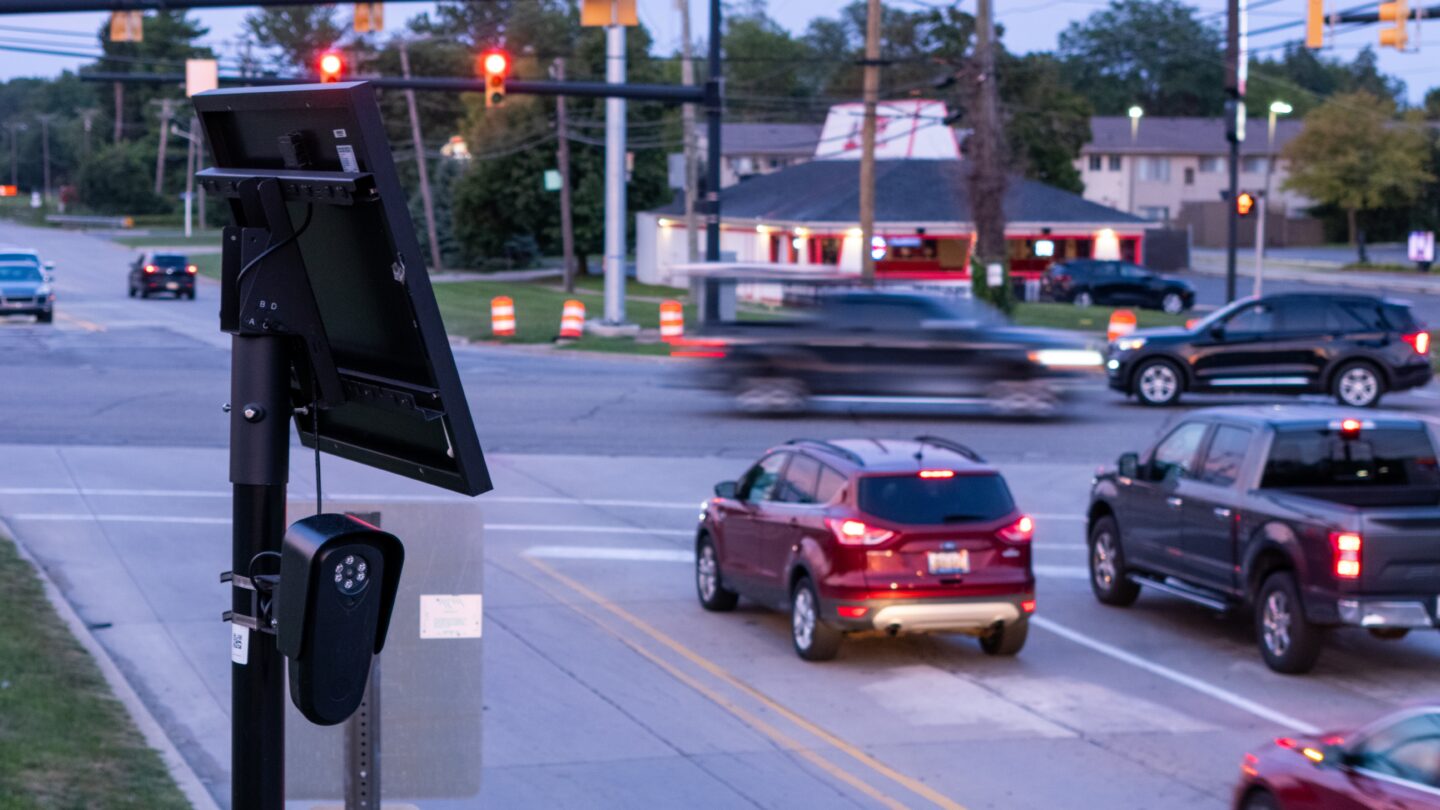
By the count of one antisurveillance group, roughly 90 communities cut ties with Flock Safety, the nation’s largest vendor of license plate readers, last month alone, a fourfold jump from the month before. Citing fears of a “surveillance state,” Florida Gov. Ron DeSantis (R) ordered the removal of all license plate readers from state highways, and Texas halted state funding for the cameras, putting Republican governors in the same “De-Flock” camp as a number of progressive city councils.
To be clear, hitting the pause button to evaluate a contract with a tech provider might be prudent. But preemptive bans, vows to oppose cameras under any circumstances, and calls to prohibit the use of federal funds to purchase this technology are panic moves that shut the door on careful policymaking before the work has even begun.
Public policy is littered with the wreckage of legislative panic attacks. In 1986, public outcry following the overdose death of college basketball star Len Bias led a bipartisan Congress to rush into law draconian mandatory minimum sentencing laws and the now infamous 100:1 crack-powder sentencing disparity. In 2001, the trauma of 9/11 gave us the Patriot Act, signed into law before most lawmakers even had time to read it. And within months after George Floyd’s murder in 2020, at least 20 major cities had cut police budgets by a combined $840 million.
Lawmakers were not wrong to respond to these real problems. The mistake was conflating the reasonable conclusion that “something should be done” with the pernicious demand that “something must be done right now.” Crises force lawmakers to make critical policy decisions when they are under the greatest pressure to act and have the least space to think. That’s exactly the trap the current surveillance debate has fallen into.