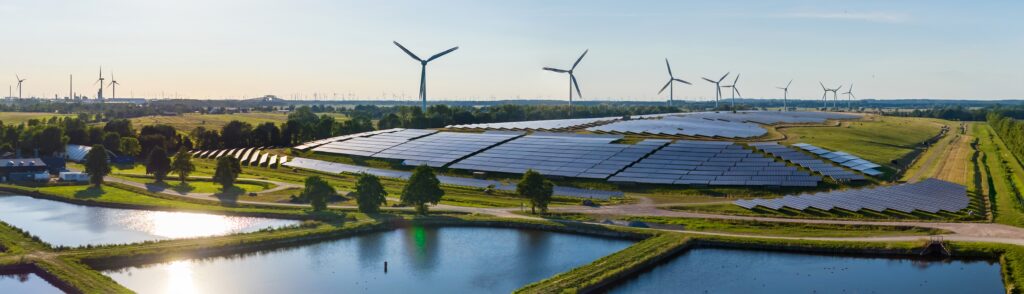
Energy abundance requires innovation. From fracking to large-scale batteries and solar panels, bringing new technologies to the market has increased our energy supply and made energy markets more competitive.
But technology doesn’t mature by accident. It requires a deliberate process to move from an idea to a widespread solution.
Targeted public interventions can smooth and speed commercialization. By reducing risk, expanding markets, and speeding up learning, government actions make room for private firms to compete, invest, and innovate.
The real struggle is figuring out:
- What should those public actions be for each technology?
- How do we know if they are working from an implementation standpoint?
To answer these questions, we need tools like the Department of Energy’s Adoption Readiness Levels (ARL) framework. Think of it as a standardized “scorecard” for how ready a technology is for the real world.
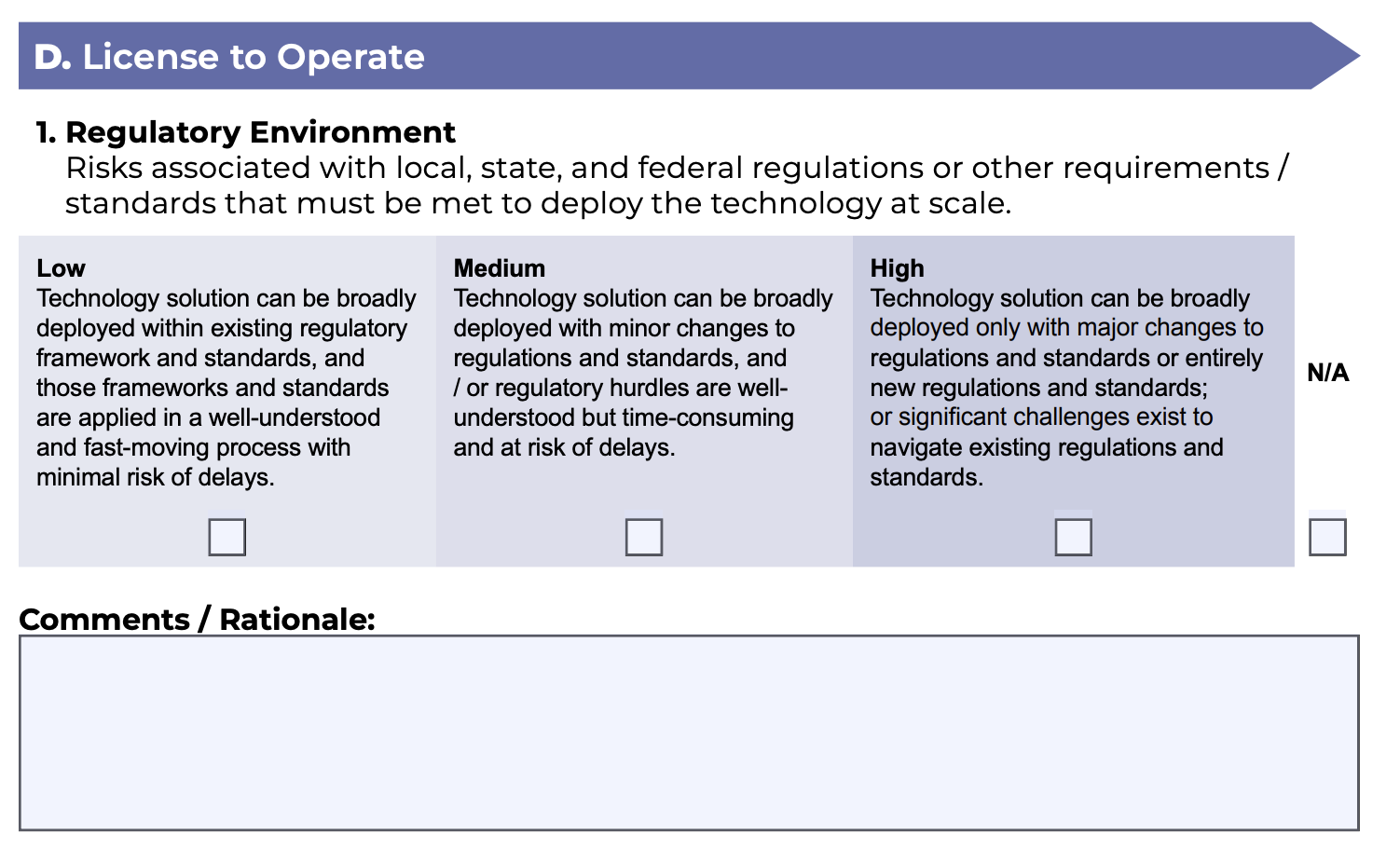
ARLs also enable comparisons across technologies that can guide innovation policy through a non-partisan lens. This open, evidence-based approach naturally enables policy consensus—making ARLs an essential tool for achieving energy abundance in the coming years.